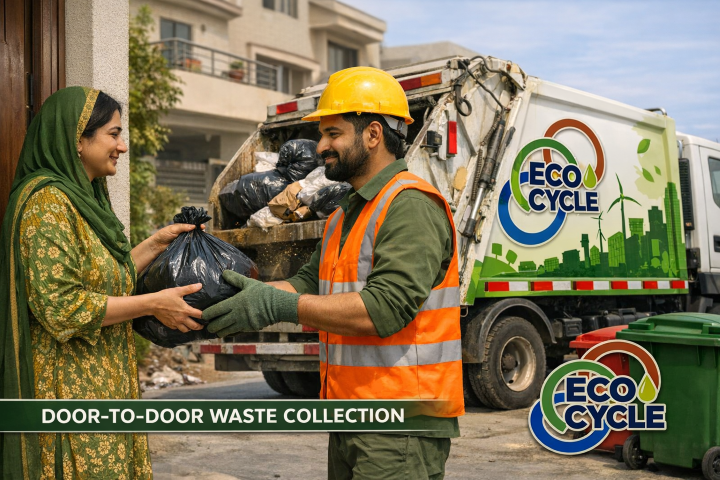
Door-to-door waste collection plays a crucial role in building clean, healthy and environmentally responsible communities. In modern waste management systems, the collection stage is the first and most important step that determines the overall efficiency of recycling, segregation and final disposal processes.
When waste is collected directly from homes, commercial establishments and institutions through an organised system, it significantly reduces illegal dumping, roadside waste accumulation and public health risks. A well-structured door-to-door collection service ensures that waste enters the formal waste management system instead of becoming an environmental burden.
The Importance of Structured Waste Collection
Cities and communities generate large volumes of waste every day. Without a reliable collection mechanism, waste can quickly accumulate in streets, drains and open spaces. This not only creates unpleasant living conditions but also increases the risk of disease, pollution and pest infestations.
Door-to-door collection services solve this challenge by ensuring that waste is collected directly from the source on a regular schedule. This approach improves efficiency, keeps neighborhoods clean and encourages residents to participate in responsible waste disposal practices.
A structured collection system also supports other essential waste management activities such as recycling, composting and landfill management. When waste is collected properly and transported through designated routes, it becomes easier to segregate and process different types of materials.
How Door-to-Door Collection Works
An effective door-to-door collection system involves several operational components working together. Collection teams follow predetermined routes and schedules to gather waste from households, commercial properties and institutional facilities.
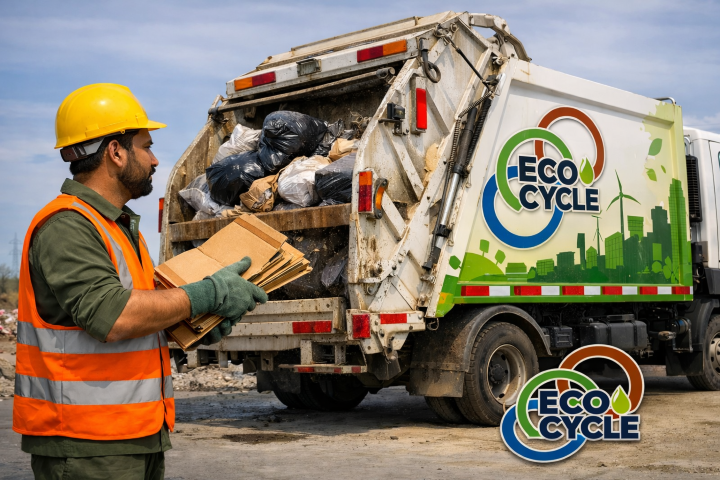
Residents and businesses are encouraged to store waste in designated bins or containers until the scheduled collection time. Collection crews then gather the waste and transfer it to transportation vehicles designed to safely carry waste to sorting, recycling or disposal facilities.
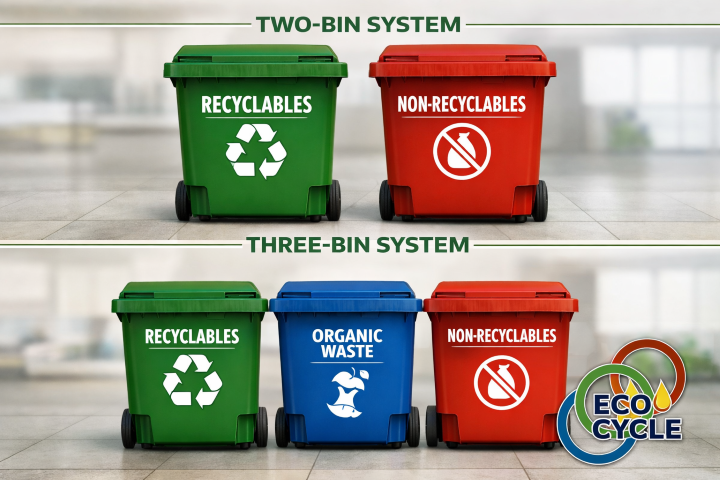
Modern systems often integrate waste segregation at the source. Residents may be provided with separate bins for organic waste, recyclables and general waste. This separation improves the quality of materials recovered for recycling and reduces contamination in processing facilities.
Benefits for Communities
One of the primary benefits of door-to-door collection is improved public health. Waste left in open spaces can attract insects, rodents and stray animals, creating health hazards for nearby residents. By removing waste regularly and safely, these risks can be greatly reduced.
Another major advantage is improved urban cleanliness. Streets, parks and public areas remain cleaner when waste is consistently collected from its source. This contributes to a more pleasant and livable environment for communities.
Door-to-door systems also support environmental protection. Proper collection ensures that waste does not enter water bodies, drainage systems or natural landscapes. When integrated with recycling and composting programmes, it further reduces the amount of waste sent to landfill sites.
Operational Efficiency and Planning
Successful door-to-door collection requires careful planning and coordination. Route optimisation, scheduling and workforce management are essential to ensure that services remain reliable and cost-effective.
Collection vehicles must follow efficient routes to minimise travel time and fuel consumption. Supervisory teams monitor service performance and make adjustments where necessary to maintain consistency and coverage.
In many cases, technology is used to support route planning and performance tracking. Digital tools help improve efficiency, reduce operational costs and ensure that collection services meet the needs of growing urban populations.
Supporting Waste Segregation
Door-to-door collection systems also play an important role in promoting waste segregation at the source. When households and businesses separate recyclable and organic materials before collection, it greatly improves the recovery of valuable resources.
Segregated waste streams allow recycling facilities to process materials more effectively and enable organic waste to be converted into compost or fertilizer. This approach reduces landfill dependency and supports circular economy practices.
Collection teams often assist communities by educating residents about proper waste separation and the benefits of responsible waste disposal.
The Role of Professional Waste Management Services
Professional waste management providers ensure that door-to-door collection services operate smoothly and consistently. Trained teams, proper equipment and structured operational procedures are necessary to maintain service reliability and environmental compliance.
Collection crews follow safety guidelines while handling waste, and vehicles are designed to prevent leakage, odor and contamination during transportation. Supervisors monitor daily operations to maintain service quality and address any operational challenges quickly.
Reliable collection services are especially important for large residential communities, commercial developments and institutional facilities where waste volumes can be significant.
Building Cleaner and Sustainable Communities
Door-to-door waste collection is more than just a routine service—it is a fundamental component of sustainable urban management. When communities participate actively in organised collection systems, cities become cleaner, healthier and more environmentally responsible.
By ensuring that waste is collected safely and transported to appropriate processing facilities, communities can significantly reduce pollution and improve resource recovery.
As urban populations continue to grow, structured waste collection services will remain essential for maintaining public health, environmental protection and overall quality of life.