Waste transportation is a vital component of modern waste management systems. Once waste is collected from residential, commercial or industrial sources, it must be safely transported to recycling facilities, composting plants, material recovery centres or engineered landfill sites. Without a well-organised transportation network, even the most efficient waste collection system would fail to deliver sustainable environmental outcomes.
Transportation bridges the gap between waste generation and waste processing. It ensures that waste is handled responsibly and moved through the proper channels for treatment, recovery or final disposal. Efficient waste transport also reduces environmental risks such as illegal dumping, contamination and uncontrolled waste accumulation.
The Role of Waste Transportation in the Waste Lifecycle
Every waste management system follows a structured lifecycle that begins with waste generation and ends with resource recovery or safe disposal. Waste transportation acts as the connecting link that moves materials between each stage of this lifecycle.
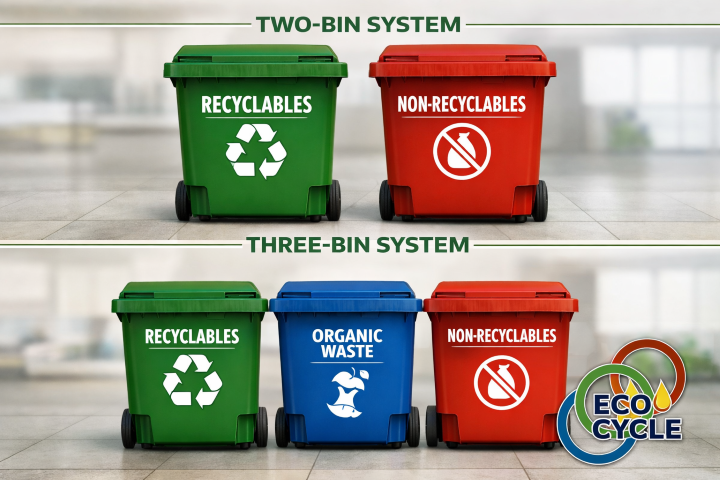
After waste is collected from households, businesses or construction sites, transportation vehicles move it to facilities where it can be sorted and processed. Recyclable materials are sent to recycling plants, organic waste may be directed to composting facilities, and non-recoverable materials are transported to engineered landfill sites designed for environmentally controlled disposal.
Without reliable transport infrastructure, these systems cannot function efficiently.
Specialized Vehicles and Equipment
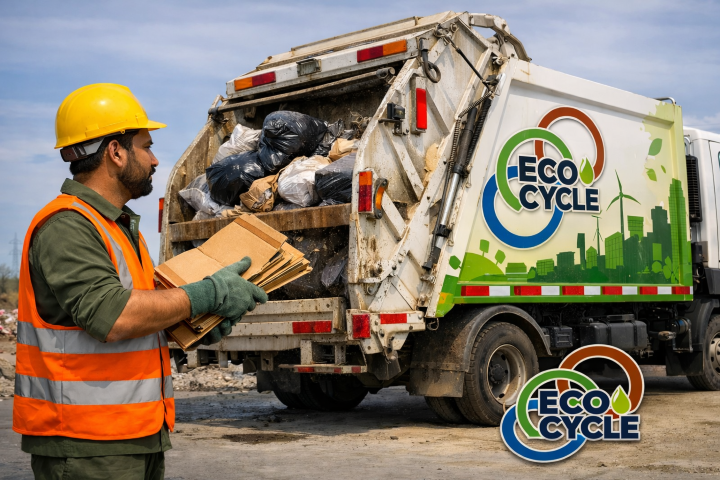
Modern waste transportation relies on specialized vehicles designed to handle different types of waste safely. Compactor trucks are commonly used for municipal waste collection, while roll-on roll-off vehicles transport bulk waste containers. Larger vehicles may be used for construction debris, industrial waste or high-volume waste streams.
These vehicles are designed to prevent leakage, control odors and protect surrounding environments during transport. Proper loading and containment systems also help minimize risks associated with hazardous or heavy waste materials.
Drivers and operational teams are trained to follow strict safety procedures to ensure waste is transported without creating environmental or public health hazards.
Route Optimization and Efficiency
Transporting waste efficiently requires careful planning. Route optimization is essential to reduce travel time, fuel consumption and operational costs. Modern waste management operations often use mapping tools and logistics planning systems to design efficient transportation routes.
By optimizing routes, service providers can improve coverage across large service areas while minimizing environmental impact. Efficient routing also ensures timely delivery of waste to recycling and disposal facilities, preventing operational bottlenecks in the waste management chain.
Environmental Considerations
Waste transportation must follow environmental and regulatory guidelines to protect public health and ecosystems. Vehicles must be properly maintained to avoid emissions issues, and waste must be securely contained to prevent spills during transit.
Professional waste transport operations also track waste movement to ensure accountability and transparency. Proper documentation and monitoring help ensure that waste is delivered to approved facilities rather than being improperly disposed of.
Supporting Sustainable Waste Management
Effective waste transportation is essential for sustainable waste management systems. When waste is transported safely and efficiently, it allows recycling and composting operations to function effectively and ensures that non-recyclable materials are disposed of responsibly.
This organized approach helps cities and businesses reduce pollution, improve cleanliness and support environmental protection efforts.