Introduction
Urban development, infrastructure expansion, and construction activities are continuously transforming cities and communities. While these developments contribute to economic growth and modernization, they also generate large amounts of construction debris and waste materials. If not handled properly, debris can create environmental hazards, safety risks, and operational challenges for businesses, construction sites, and municipalities.
Construction debris may include materials such as concrete, bricks, soil, wood, metal scraps, broken tiles, glass, and other discarded building materials. Without proper management, these materials can accumulate quickly, block roads, damage the environment, and pose serious risks to workers and the public.
Professional Debris Removal Services ensure that construction and demolition waste is collected, transported, and disposed of safely and efficiently. These services help maintain clean construction sites, support environmental protection, and ensure compliance with waste management regulations.
EcoCycle provides reliable Debris Removal Services designed to handle construction and demolition waste responsibly. Our structured approach ensures that debris is removed efficiently, recyclable materials are recovered whenever possible, and waste is disposed of in an environmentally responsible manner.
What Are Debris Removal Services?
Debris removal services involve the collection, transportation, and proper disposal of construction, demolition, and renovation waste materials. These services help remove unwanted building materials from construction sites, industrial facilities, commercial properties, and residential projects.
Debris removal typically includes handling materials such as:
• Concrete and cement blocks
• Bricks and masonry materials
• Broken tiles and ceramics
• Wood and timber scraps
• Metal and steel fragments
• Glass and plastic materials
• Soil, sand, and rubble
• Packaging waste from construction supplies
These materials can accumulate quickly during construction or renovation activities, making professional debris removal essential for maintaining safe and organized worksites.
Importance of Professional Debris Removal
Proper debris management is important for several reasons. Without systematic removal, construction waste can create unsafe conditions and environmental problems.
Workplace Safety
Construction debris can create hazards such as sharp materials, unstable piles of waste, and blocked pathways. These hazards increase the risk of accidents and injuries for workers and visitors.
Professional debris removal ensures that waste materials are cleared regularly, keeping worksites safe and accessible.
Environmental Protection
Improper disposal of construction waste can damage soil quality, contaminate water sources, and contribute to pollution. Materials such as plastics, chemicals, and treated wood can have long-term environmental impacts if not disposed of properly.
Debris removal services ensure that waste materials are transported to approved disposal or recycling facilities, reducing environmental risks.
Efficient Project Management
Construction projects operate on strict timelines, and cluttered worksites can slow down operations. Accumulated debris can block access to equipment, delay construction tasks, and reduce overall efficiency.
Regular debris removal helps maintain organized worksites and allows construction teams to work more efficiently.
Compliance with Waste Regulations
Many local authorities require construction and demolition waste to be handled according to environmental regulations. Professional debris removal services ensure that waste is transported and disposed of in compliance with these regulations.
EcoCycle’s Approach to Debris Removal
EcoCycle provides structured debris removal services designed to handle construction and demolition waste efficiently while minimizing environmental impact.
Site Assessment and Planning
Before starting debris removal operations, EcoCycle conducts a site assessment to understand the type and volume of debris present.
This assessment helps determine:
• The types of materials requiring removal
• Estimated debris volumes
• Equipment and transportation requirements
• Waste segregation opportunities
Proper planning ensures efficient debris removal and prevents unnecessary delays.
Debris Collection and Handling
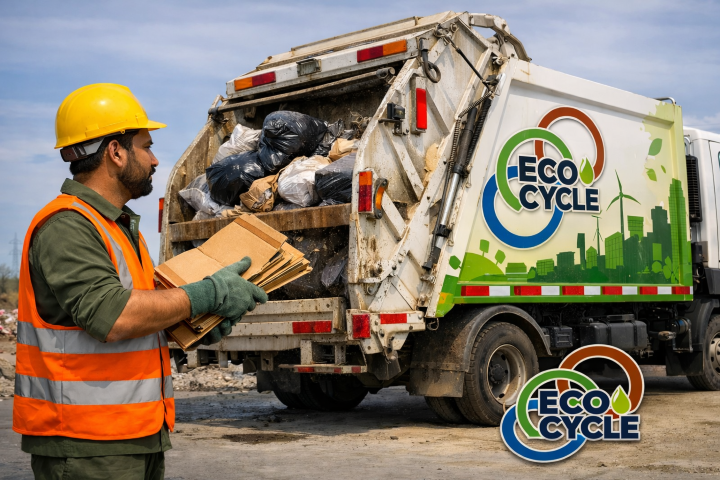
EcoCycle’s trained teams collect debris using safe and systematic handling procedures. Specialized tools and equipment are used to manage heavy and bulky materials.
Collection activities may involve:
• Manual sorting and loading
• Mechanical lifting equipment
• Safe handling of sharp or hazardous materials
• Organized storage before transportation
This approach ensures that debris is removed safely without causing damage to surrounding structures.
Transportation and Disposal
Once debris is collected, it is transported using appropriate vehicles to designated disposal or recycling facilities.
EcoCycle ensures that transportation is conducted safely and in compliance with waste management regulations. Proper logistics planning helps minimize transportation delays and environmental impact.
Recycling and Resource Recovery
Many construction materials can be recycled and reused rather than being sent to landfills. EcoCycle promotes recycling whenever possible to reduce environmental impact.
Common recyclable construction materials include:
• Metal scraps
• Concrete and masonry materials
• Wood waste
• Certain plastics and packaging materials
Recycling helps conserve natural resources and supports sustainable construction practices.
Construction Site Clean-Up
In addition to debris removal, EcoCycle also provides site clean-up services after construction or demolition work is completed.
This includes:
• Clearing remaining debris
• Sweeping and cleaning site surfaces
• Removing leftover materials and packaging waste
• Preparing sites for further development or handover
Clean construction sites improve safety and create a more organized working environment.
Types of Projects That Require Debris Removal
Debris removal services are essential for a wide range of projects and facilities.
These include:
• Residential construction and renovation projects
• Commercial building construction
• Infrastructure development projects
• Industrial facility upgrades
• Road and bridge construction work
• Demolition projects
• Urban redevelopment projects
Each project generates different types of debris, requiring professional removal solutions to maintain safety and efficiency.
Environmental Benefits of Responsible Debris Management
Responsible debris removal contributes to environmental sustainability in several ways.
These benefits include:
• Reduction of construction waste in landfills
• Increased recycling of construction materials
• Prevention of soil and water contamination
• Improved urban cleanliness and safety
• Support for sustainable construction practices
By managing debris responsibly, construction activities can minimize their environmental impact.
Integration with Waste Management Systems
Debris removal services work best when integrated with broader waste management strategies. EcoCycle connects debris removal with other environmental services such as:
• Bulk waste management
• Recycling programs
• Engineered landfill disposal
• Waste transportation services
This integrated approach ensures that all types of waste generated during construction and demolition activities are handled efficiently.
Why Choose EcoCycle for Debris Removal Services
EcoCycle provides professional debris removal services supported by experienced teams and efficient operational systems.
Our strengths include:
• Safe and efficient debris collection methods
• Modern equipment and transportation systems
• Environmentally responsible disposal practices
• Recycling and resource recovery initiatives
• Compliance with environmental regulations
Our team works closely with construction companies, contractors, and organizations to ensure debris removal operations run smoothly.
Conclusion
Construction and demolition projects generate significant amounts of waste materials that must be managed responsibly to maintain safety, efficiency, and environmental protection. Without proper debris removal, construction sites can become hazardous, disorganized, and environmentally harmful.
Professional debris removal services provide structured solutions for collecting, transporting, and disposing of construction waste in a safe and environmentally responsible manner.
EcoCycle’s debris removal services support construction projects by maintaining clean worksites, promoting recycling, and ensuring proper waste disposal. Through efficient planning, professional handling, and sustainable practices, we help organizations manage construction debris effectively while contributing to cleaner and safer environments.