Plastic waste has become one of the most pressing environmental challenges facing modern societies. Among the various types of plastics, Polyethylene Terephthalate (PET) is one of the most widely used materials in packaging and beverage containers. PET bottles are commonly used for water, soft drinks, edible oils and many other consumer products. Because of its widespread use, PET waste forms a significant portion of urban plastic waste streams.
PET recycling plays a critical role in reducing plastic pollution and supporting sustainable resource management. By recovering and processing used PET products, recycling systems can transform plastic waste into valuable raw materials that can be used again in manufacturing.
Understanding PET Plastic
PET is a lightweight, durable and transparent plastic that is widely used in packaging. Its strength and versatility make it ideal for food and beverage containers. However, when PET products are discarded improperly, they can remain in the environment for hundreds of years.
Plastic waste often ends up in landfills, waterways or open dumping sites where it contributes to environmental pollution. Recycling PET helps address this issue by recovering plastic materials and preventing them from entering natural ecosystems.
The PET Recycling Process
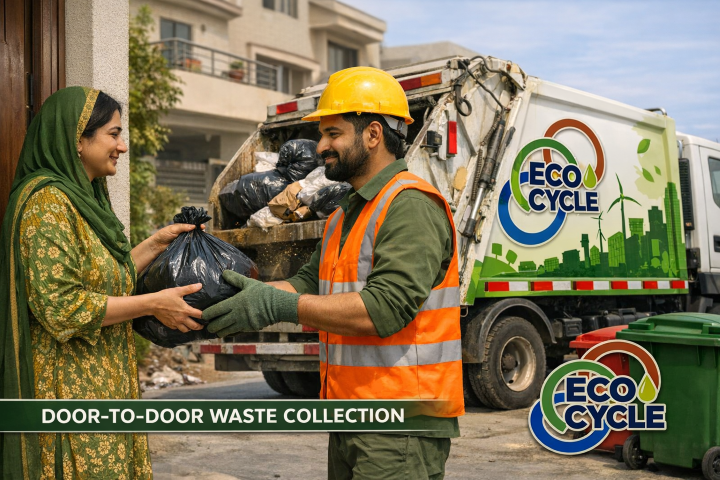
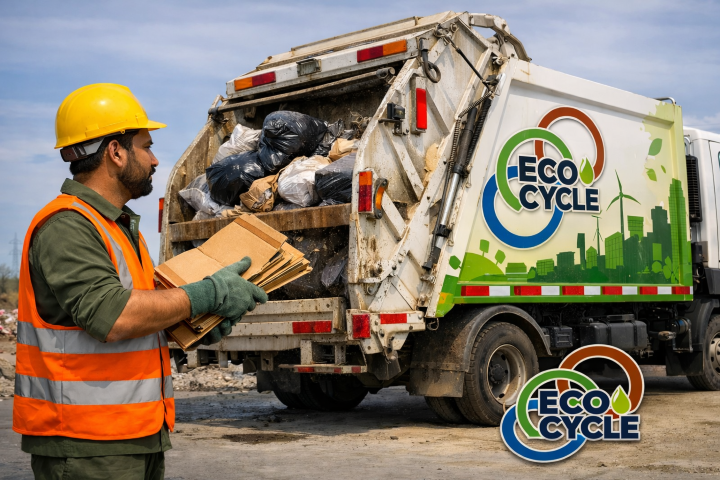
PET recycling involves several important stages that transform discarded bottles into reusable materials. The process begins with the collection of PET waste through community collection programs, recycling centers and waste management services.
After collection, PET materials are sorted to separate them from other types of plastics. Sorting is an essential step because different plastics require different processing methods. Once sorted, PET bottles are washed to remove labels, adhesives and other contaminants.
The cleaned bottles are then shredded into small plastic flakes. These flakes are processed further through washing and drying systems to ensure that the material meets quality standards for reuse. The final product is clean PET flakes that can be used as raw material in manufacturing industries.
Applications of Recycled PET
Recycled PET is a valuable material that can be used in a variety of industries. Many manufacturers use recycled PET to produce new plastic bottles, packaging materials and food containers. In addition, recycled PET can be used to produce polyester fibers that are used in textiles, carpets and clothing.
This ability to reuse plastic materials multiple times helps reduce the demand for new plastic production. As a result, recycling contributes to resource conservation and energy savings.
Environmental Benefits of PET Recycling
Recycling PET offers several environmental advantages. First, it helps reduce the volume of plastic waste sent to landfill sites. Landfills are already under pressure due to increasing waste generation, and reducing plastic waste helps extend landfill capacity.
Second, PET recycling reduces the need for new plastic production. Manufacturing plastic from recycled materials requires significantly less energy than producing it from raw petroleum resources. This reduction in energy consumption also lowers greenhouse gas emissions.
Another major benefit is the prevention of plastic pollution in oceans and natural habitats. Plastic bottles are one of the most commonly found waste items in marine environments. By capturing PET waste within recycling systems, communities can reduce the risk of environmental contamination.
Supporting the Circular Economy
PET recycling supports the concept of a circular economy in which materials are reused and recycled rather than discarded. In a circular economy model, products are designed to be reused or recycled so that resources remain in productive use for as long as possible.
By converting plastic waste into reusable materials, recycling systems help close the loop between consumption and production. This approach reduces environmental impact while supporting sustainable industrial development.
The Future of PET Recycling
As global awareness of plastic pollution grows, PET recycling is becoming an increasingly important component of waste management systems. Governments, industries and environmental organizations are investing in better collection systems, advanced recycling technologies and improved product design.
These efforts aim to increase recycling rates and ensure that plastic materials remain part of a sustainable resource cycle rather than becoming environmental pollutants.
PET recycling represents a practical and effective solution for managing plastic waste while supporting sustainable economic growth.