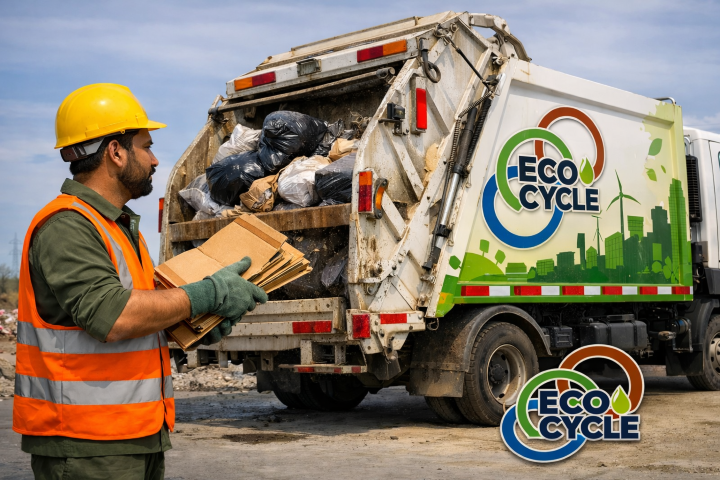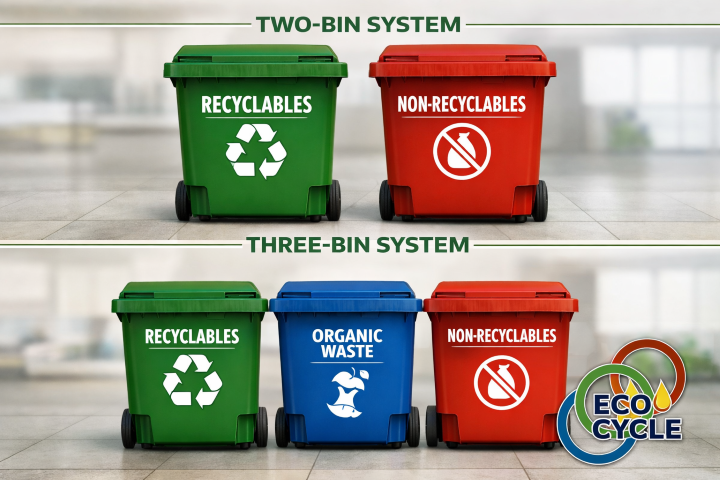
Organic waste forms a large portion of municipal waste generated by households, markets, restaurants and agricultural activities. Food scraps, garden waste and agricultural residues often end up in landfill sites where they decompose in uncontrolled conditions. This process releases methane gas, a potent greenhouse gas that contributes to climate change.
Composting provides a sustainable solution for managing organic waste while producing valuable soil nutrients. By converting organic materials into compost and fertilizers, waste management systems can transform waste into useful resources that benefit agriculture and landscaping.
Understanding the Composting Process
Composting is a natural biological process in which microorganisms break down organic materials into stable organic matter. When organic waste is collected and processed under controlled conditions, it decomposes into a nutrient-rich product known as compost.
The composting process typically begins with the collection of organic waste from households, farms and commercial establishments. Materials such as vegetable scraps, fruit peels, leaves and garden waste are transported to composting facilities.
At the facility, organic materials are arranged in piles or composting systems where microorganisms break them down. Proper aeration, moisture levels and temperature control are essential to ensure efficient decomposition.
Over time, these materials transform into a dark, crumbly substance that resembles soil. This final product is compost, which contains valuable nutrients beneficial for plant growth.
Benefits of Compost and Organic Fertilizers
Compost offers numerous advantages for soil health and agricultural productivity. It improves soil structure, making it easier for plant roots to grow and access nutrients. Compost also enhances soil water retention, which is especially beneficial in areas prone to drought.
In addition to improving soil quality, compost provides essential nutrients such as nitrogen, phosphorus and potassium. These nutrients support healthy plant growth and reduce the need for synthetic chemical fertilizers.
Organic fertilizers derived from compost also contribute to long-term soil fertility. Unlike chemical fertilizers that provide short-term nutrient boosts, compost enriches the soil ecosystem by supporting beneficial microorganisms.
Environmental Advantages
Composting helps reduce the amount of organic waste sent to landfill sites. When organic waste decomposes in landfills without oxygen, it produces methane gas. By diverting organic waste to composting facilities, communities can significantly reduce greenhouse gas emissions.
Composting also reduces the environmental impact of waste disposal. Instead of treating organic waste as a problem, composting systems convert it into a valuable resource that supports sustainable agriculture.
Supporting Sustainable Agriculture
Farmers and gardeners benefit greatly from compost and organic fertilizers. Compost improves soil fertility and supports sustainable farming practices that rely less on chemical inputs.
In urban areas, compost can also be used in landscaping, parks and community gardens. This helps create greener cities while promoting responsible waste management practices.
Building a Circular Resource System
Composting demonstrates how waste can be transformed into valuable resources. By collecting organic waste and converting it into compost, communities create a circular system in which nutrients are returned to the soil rather than wasted.
This approach not only reduces environmental impact but also supports sustainable food production and soil health for future generations.