Introduction
Bulk waste management is a critical service for modern cities, industries, institutions, and commercial establishments. Bulk waste refers to large quantities of waste generated from sources such as housing societies, factories, shopping malls, hotels, hospitals, construction sites, and agricultural operations. Unlike routine household waste, bulk waste requires specialized planning, collection systems, transportation, segregation, and environmentally responsible disposal methods.
With rapid urbanization and industrial expansion, the volume of bulk waste is increasing significantly. Without proper management, large waste accumulations can create serious environmental, public health, and operational challenges. Efficient bulk waste management ensures that waste is collected, transported, processed, and disposed of in a safe, compliant, and sustainable manner.
EcoCycle provides professional bulk waste management solutions designed to handle high-volume waste streams while maximizing recycling, resource recovery, and environmental protection.
Understanding Bulk Waste
Bulk waste typically includes large quantities of materials generated from commercial or industrial activities. These materials may include:
• Packaging materials such as cardboard, plastics, and wooden crates
• Organic waste from food processing units, restaurants, and hotels
• Industrial scrap and production waste
• Agricultural residues and biomass
• Large household waste from housing societies
• Construction and renovation waste
• Institutional waste from hospitals, universities, and government offices
Because of its volume and diversity, bulk waste must be handled through organized systems rather than conventional municipal collection methods.
Challenges in Bulk Waste Management
Handling large volumes of waste presents several operational and environmental challenges:
1. High Volume Generation
Bulk waste generators produce significant quantities daily, which can quickly accumulate if not managed properly.
2. Mixed Waste Streams
Bulk waste often contains recyclable, organic, and non-recyclable materials that require proper segregation.
3. Transportation Logistics
Moving large quantities of waste requires specialized vehicles and route planning to ensure efficiency.
4. Environmental Risks
Improper handling can lead to soil contamination, groundwater pollution, foul odors, and pest infestations.
5. Regulatory Compliance
Many municipalities and environmental authorities require bulk waste generators to manage their waste responsibly.
EcoCycle addresses these challenges through structured waste management systems tailored to the needs of bulk waste generators.
EcoCycle’s Bulk Waste Management Approach
EcoCycle provides end-to-end bulk waste management services that cover the entire waste lifecycle—from collection to responsible disposal.
Waste Assessment and Planning
The first step involves evaluating the waste generation patterns of a facility or organization. Our experts assess waste volume, types of materials, and operational requirements to design a customized waste management plan.
Segregation and Sorting Systems
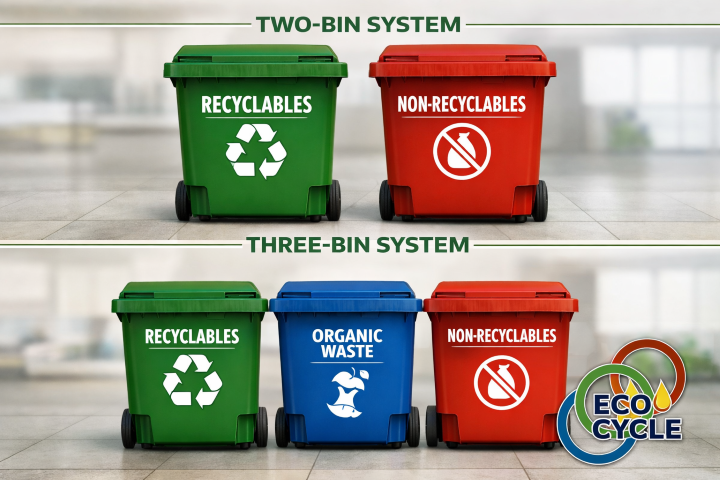
We encourage source segregation using systems such as the Two-Bin and Three-Bin Waste Management Model. This helps separate:
• Recyclable materials
• Organic waste
• Non-recyclable waste
Proper segregation increases recycling efficiency and reduces the amount of waste sent to landfills.
Scheduled Waste Collection
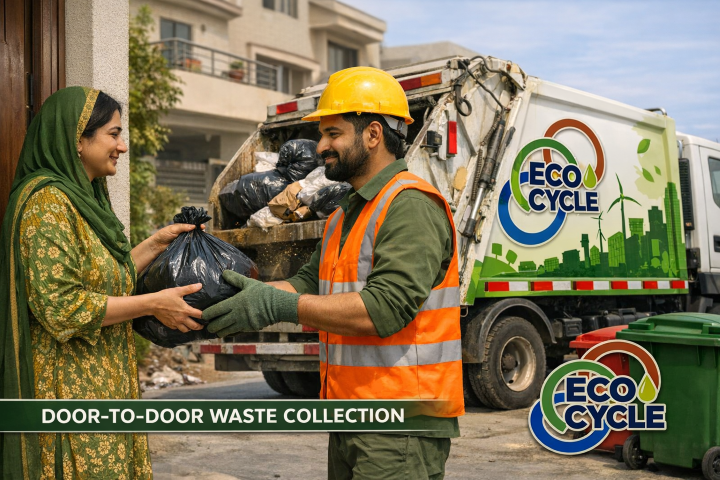
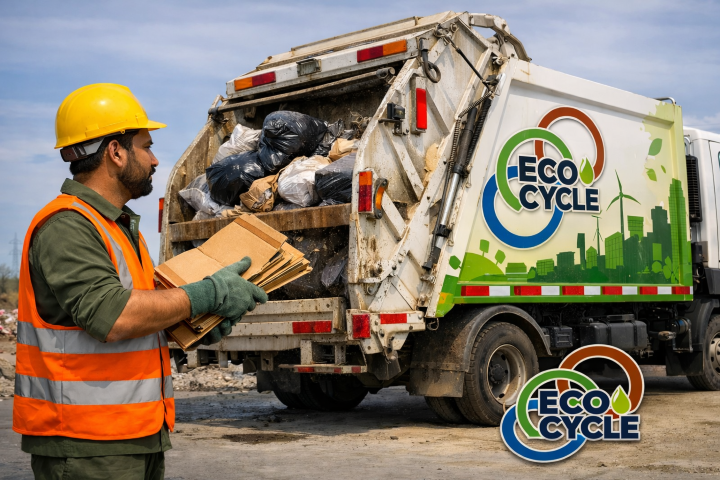
EcoCycle provides scheduled waste collection services using specialized vehicles capable of handling bulk quantities. Our teams ensure timely collection to prevent accumulation and maintain hygienic conditions.
Waste Transportation
Collected waste is transported using safe and efficient logistics systems. Transportation routes are optimized to minimize fuel consumption and environmental impact.
Recycling and Resource Recovery
Recyclable materials such as plastics, paper, cardboard, and metals are directed to recycling facilities. Organic waste can be processed into compost or fertilizer.
This approach ensures that valuable materials are recovered rather than discarded.
Environmentally Responsible Disposal
Waste that cannot be recycled is disposed of at regulated facilities, including engineered landfill sites designed to protect the environment.
Bulk Waste Management for Different Sectors
EcoCycle offers specialized solutions for various sectors that generate large quantities of waste.
Residential Communities
Large housing societies generate significant daily waste. EcoCycle provides organized collection systems, segregation awareness programs, and recycling solutions for residential complexes.
Commercial Establishments
Shopping malls, hotels, and restaurants produce high volumes of packaging and food waste. Our services ensure efficient collection and processing of these materials.
Industrial Facilities
Manufacturing plants often generate production waste and scrap materials. EcoCycle manages industrial waste streams while ensuring compliance with environmental regulations.
Institutions and Government Facilities
Universities, hospitals, and government offices require reliable waste collection systems. EcoCycle offers structured solutions tailored to institutional needs.
Environmental Benefits of Bulk Waste Management
Proper bulk waste management provides significant environmental advantages.
Reduced Landfill Waste
Recycling and composting reduce the volume of waste sent to landfill sites.
Resource Conservation
Recovering recyclable materials reduces the demand for raw resources.
Lower Carbon Footprint
Efficient transportation and waste processing reduce greenhouse gas emissions.
Improved Public Health
Proper waste handling prevents contamination, odors, and pest infestations.
Cleaner Cities
Organized waste management contributes to improved urban sanitation.
Compliance with Environmental Regulations
Bulk waste generators are increasingly required to comply with environmental policies and waste management regulations. EcoCycle ensures that all operations follow regulatory standards and environmental best practices.
Our services help organizations meet their sustainability goals while avoiding penalties associated with improper waste disposal.
Technology and Innovation in Waste Management
EcoCycle integrates modern technologies to improve efficiency and transparency in bulk waste management.
These may include:
• Smart waste collection scheduling
• Waste tracking and reporting systems
• Advanced sorting and recycling technologies
• Sustainable composting systems
These innovations allow businesses and institutions to monitor their waste footprint and improve environmental performance.
Supporting a Circular Economy
Bulk waste management plays an important role in supporting a circular economy. Instead of treating waste as a burden, materials are recovered and reintroduced into the production cycle.
Examples include:
• Plastic recycling for manufacturing new products
• Compost production for agriculture
• Paper recycling for packaging industries
• Metal recovery for industrial reuse
By transforming waste into valuable resources, EcoCycle contributes to sustainable economic development.
Why Choose EcoCycle for Bulk Waste Management
EcoCycle is committed to delivering reliable and environmentally responsible waste management services. Our expertise includes:
• Customized solutions for bulk waste generators
• Professional collection and transportation systems
• Advanced recycling and recovery processes
• Compliance with environmental regulations
• Sustainable and eco-friendly waste disposal
Our integrated approach ensures that organizations can manage large volumes of waste efficiently while contributing to environmental protection.
Conclusion
Bulk waste management is essential for maintaining clean, healthy, and sustainable communities. With the right systems in place, large waste volumes can be handled responsibly while maximizing recycling and resource recovery.
EcoCycle’s comprehensive bulk waste management services provide businesses, institutions, and residential communities with reliable, efficient, and environmentally responsible solutions. By partnering with EcoCycle, organizations can reduce their environmental impact, improve operational efficiency, and contribute to a cleaner and greener future.