Introduction
As cities grow and industries expand, the volume of waste generated every day continues to rise. While recycling, composting, and waste reduction strategies help minimize waste, there will always be a portion that cannot be reused or recycled. Managing this residual waste responsibly is essential to protect the environment and public health. This is where Engineered Landfill Site Management plays a vital role.
Unlike traditional dumping grounds, engineered landfills are carefully designed waste disposal facilities that follow scientific, environmental, and regulatory standards. These landfills ensure that waste is disposed of safely while minimizing contamination of soil, groundwater, and air.
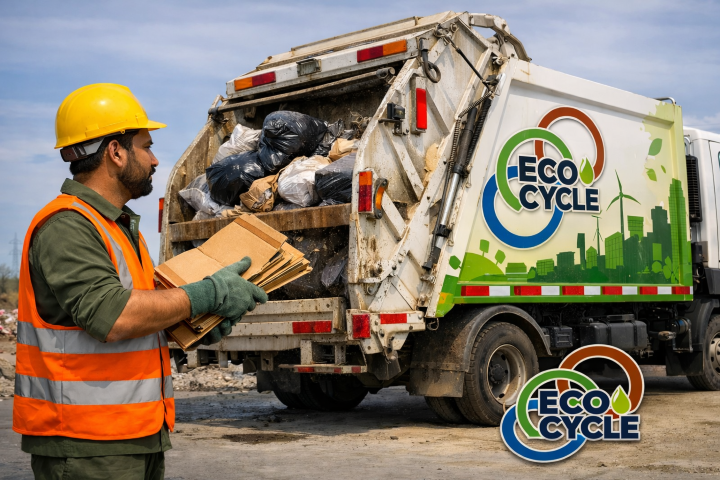
EcoCycle provides professional Engineered Landfill Site Management services, ensuring that waste disposal is conducted through environmentally sound and technically advanced methods. Our approach focuses on sustainable waste containment, environmental monitoring, and long-term site stability.
What is an Engineered Landfill?
An engineered landfill is a specially designed facility where waste is disposed of in a controlled and environmentally responsible manner. These sites are built using multiple protective layers, drainage systems, and monitoring technologies to prevent pollution and environmental damage.
The primary objective of engineered landfills is to isolate waste from the surrounding environment, ensuring that harmful substances do not contaminate soil, water sources, or nearby ecosystems.
Key components of an engineered landfill typically include:
• Liner systems that prevent waste leakage into soil and groundwater
• Leachate collection systems that capture contaminated liquid from waste
• Gas collection systems that control methane emissions
• Daily cover layers to minimize odor and pest problems
• Environmental monitoring systems to track groundwater and air quality
These advanced systems make engineered landfills significantly safer than uncontrolled dumping sites.
Importance of Engineered Landfill Management
Proper landfill management is essential for environmental protection and public safety. Poorly managed waste dumps can lead to serious problems such as groundwater contamination, air pollution, and disease spread.
Engineered landfill management ensures:
Environmental Protection
Scientific landfill design prevents harmful waste chemicals from leaking into soil or water.
Public Health Safety
Controlled waste disposal reduces the risk of disease, pests, and harmful odors.
Regulatory Compliance
Governments and environmental authorities require waste disposal facilities to follow strict environmental regulations.
Efficient Waste Handling
Well-managed landfill operations allow safe handling of large waste volumes.
Long-Term Sustainability
Properly designed landfills remain stable and safe even after closure.
EcoCycle ensures that all landfill operations follow environmental standards and sustainable waste management practices.
EcoCycle’s Approach to Landfill Site Management
EcoCycle manages landfill sites through a structured and environmentally responsible approach that includes planning, operation, monitoring, and long-term maintenance.
Site Planning and Design
The success of an engineered landfill begins with proper planning. Our team conducts detailed environmental assessments before establishing or managing landfill sites.
This includes:
• Soil and geological studies
• Groundwater analysis
• Environmental impact assessments
• Site capacity planning
• Infrastructure design
Proper site selection and design ensure that the landfill remains environmentally secure throughout its operational life.
Waste Acceptance and Inspection
Not all waste is suitable for landfill disposal. EcoCycle implements strict waste acceptance policies to ensure that hazardous or prohibited materials are not disposed of improperly.
Incoming waste is inspected and classified to confirm compliance with environmental regulations.
This process helps maintain landfill safety and prevents contamination risks.
Waste Placement and Compaction
Waste is placed in designated cells within the landfill and compacted using heavy equipment. Compaction reduces the volume of waste, increases landfill capacity, and stabilizes the site structure.
Daily soil cover is applied to:
• Reduce odors
• Prevent pests and birds
• Minimize wind-blown waste
• Improve site hygiene
This systematic approach ensures efficient and organized landfill operations.
Leachate Management
One of the major environmental concerns in landfill sites is leachate, which is liquid produced when rainwater passes through waste materials and collects contaminants.
Engineered landfills use advanced leachate collection systems that capture this liquid and transport it to treatment facilities.
EcoCycle ensures that leachate is safely managed to prevent groundwater contamination.
Landfill Gas Management
As organic waste decomposes in landfills, it produces gases such as methane and carbon dioxide. Methane is a greenhouse gas that can contribute to climate change if not properly managed.
EcoCycle implements landfill gas management systems that capture these gases through specialized pipelines.
Captured gas may be:
• Safely released after treatment
• Used for energy generation in some facilities
This process helps reduce environmental impact while promoting sustainable energy opportunities.
Environmental Monitoring
Continuous monitoring is a key element of responsible landfill management. EcoCycle conducts regular environmental assessments to ensure that landfill operations remain safe and compliant.
Monitoring activities include:
• Groundwater quality testing
• Air quality monitoring
• Soil contamination analysis
• Gas emission measurements
• Structural stability inspections
These monitoring programs allow early detection of potential environmental risks and ensure long-term safety.
Landfill Closure and Post-Closure Management
Once a landfill reaches its capacity, it must be properly closed and rehabilitated. Closure involves sealing the landfill with protective layers that prevent water infiltration and gas leakage.
EcoCycle follows best practices for landfill closure, including:
• Installing final cover systems
• Planting vegetation for soil stabilization
• Continued environmental monitoring
• Long-term maintenance of drainage systems
Closed landfill sites can later be converted into green spaces, parks, or other community-friendly uses.
Environmental Benefits of Engineered Landfills
Although waste reduction and recycling remain priorities, engineered landfills still play an important role in modern waste management systems.
Their benefits include:
Safe containment of non-recyclable waste
Protection of groundwater and soil
Reduction of uncontrolled dumping
Controlled management of landfill gases
Improved urban sanitation
By managing landfill sites responsibly, communities can safely handle residual waste while protecting natural ecosystems.
Supporting Integrated Waste Management
Engineered landfill management is most effective when integrated with other waste management strategies such as:
• Recycling programs
• Composting initiatives
• Waste segregation systems
• Resource recovery processes
EcoCycle supports a complete waste management ecosystem, ensuring that only the smallest possible portion of waste reaches landfill facilities.
This integrated approach helps reduce environmental impact while promoting sustainable waste practices.
Why Choose EcoCycle for Landfill Management
EcoCycle combines environmental responsibility with operational expertise to deliver reliable landfill site management services.
Our strengths include:
• Scientific landfill design and planning
• Environmentally compliant waste disposal practices
• Advanced leachate and gas management systems
• Continuous environmental monitoring
• Long-term site stability and maintenance
Our experienced team works closely with municipalities, industries, and institutions to ensure safe and efficient landfill operations.
Conclusion
Engineered landfill site management is a critical component of responsible waste management systems. By using advanced engineering methods, environmental safeguards, and strict operational controls, landfill facilities can safely handle non-recyclable waste while protecting surrounding ecosystems.
EcoCycle’s engineered landfill management services ensure that waste disposal is conducted in a safe, compliant, and environmentally responsible manner. Through careful planning, modern technologies, and sustainable practices, we help communities manage waste effectively while contributing to a cleaner and healthier environment for future generations.